What to Seek in a High Quality Assisted Living Home
Business Name: BeeHive Homes of Draper
Address: 711 Pioneer Rd, Draper, UT 84020
Phone: (801) 495-3100
BeeHive Homes of Draper
Full service assisted living facility serving southern Salt Lake County offering all-inclusive Memory Care, Assisted Living, and Senior/Adult Day Care services.
711 Pioneer Rd, Draper, UT 84020
Business Hours
Choosing an assisted living home is seldom an easy errand. For the majority of family members, it begins with a call after a loss, a medical facility discharge, or a progressive understanding that home no longer really feels quite secure. The choice typically lands in the middle of a busy week, while everybody is attempting to balance job, caregiving, funds, and the emotional weight of what comes next.
That is why the best way to review assisted living is not by pamphlets or sleek lobby tours alone. A top quality community dawns in the small things, the method staff greet citizens by name, how swiftly a telephone call bell is responded to, whether the dining room really feels calm or chaotic, and whether the structure supports real life rather than simply looking great in photos. Households looking for assisted living, senior living, or perhaps "assisted living near me" are usually attempting to address one concern: will this place help my parent or partner live securely, with dignity, and with enough independence left intact to still seem like themselves?
The response relies on far more than square video footage and activities calendars. It relies on staffing, interaction, care consistency, and the sincerity of individuals running the home. It likewise relies on fit. A community can be exceptional and still not be appropriate for a specific individual if the care degree, society, or speed does not match what they need.
Start with the individual, not the building
Before contrasting communities, it aids to obtain really clear concerning the person who will live there. I have actually seen households focus practically completely on amenities only to uncover later on that the actual concern was not whether the dining-room had tablecloths. It was whether their mother could securely wake up in the evening, whether their father bore in mind to take drugs, or whether either one would tolerate an active, noisy environment.
An excellent assisted living home must match the resident's real requirements, not simply their diagnosis. Some older grownups mostly require aid with meals, housekeeping, showering, and tips. Others require more assistance with mobility, dementia-related supervision, or medication administration. If your family is also taking into consideration respite care, the ideal center needs to be able to describe plainly how short-term stays job and what solutions are consisted of during that time.
This is where a thoughtful search for senior care near me becomes much more certain than a map search. You are not just seeking area. You are looking for a level of assistance that can maintain an individual secure without stripping away autonomy. That balance matters greater than practically anything else.
The personnel informs you more than the brochure ever before will
If you spend just one hour inside an area, invest most of it viewing the personnel. The structure can be spotless and the dishes can be enticing, yet inadequate staffing culture will certainly dawn quickly.
Pay attention to whether staff members talk pleasantly to homeowners, not as though they are rushing via a job listing. Do they make eye call? Do they describe what they are doing prior to helping somebody stand, transfer, or take medicine? Do they seem to understand the citizens well enough to discover when someone is quieter than typical or missing out on from lunch?
Quality senior care depends upon consistency. In a strong neighborhood, staff turnover is still actual, because care work is demanding everywhere, yet the residents must not really feel like unfamiliar people are cycling via every couple of weeks. Ask how long team members have a tendency to stay, what training they get, and exactly how the home handles call-outs or shortages. An honest answer says a great deal.
It is also worth asking who actually offers care. In some homes, a joyful tourist guide might explain services in broad terms, but the day-to-day assistance might be dealt with by a thinly stretched team on each shift. Families must ask who is on responsibility overnight, how many caretakers exist on a normal change, and exactly how the area changes when needs boost. A quality assisted living home will certainly not evade those questions.
Care plans need to specify, not generic
A strong assisted living neighborhood does not treat every resident the same. Individuals age differently, and their support needs can transform promptly after a hospitalization, a drug change, or a round of disease. The care plan should mirror that.
Ask how the home assesses brand-new citizens. Does somebody review medicines, movement, cognitive adjustments, fall background, nutritional demands, and individual routines before move-in? Are care plans updated after an incident or after a noticeable decline? Does the team consult with households about changes, or do families just listen to after something has gone wrong?

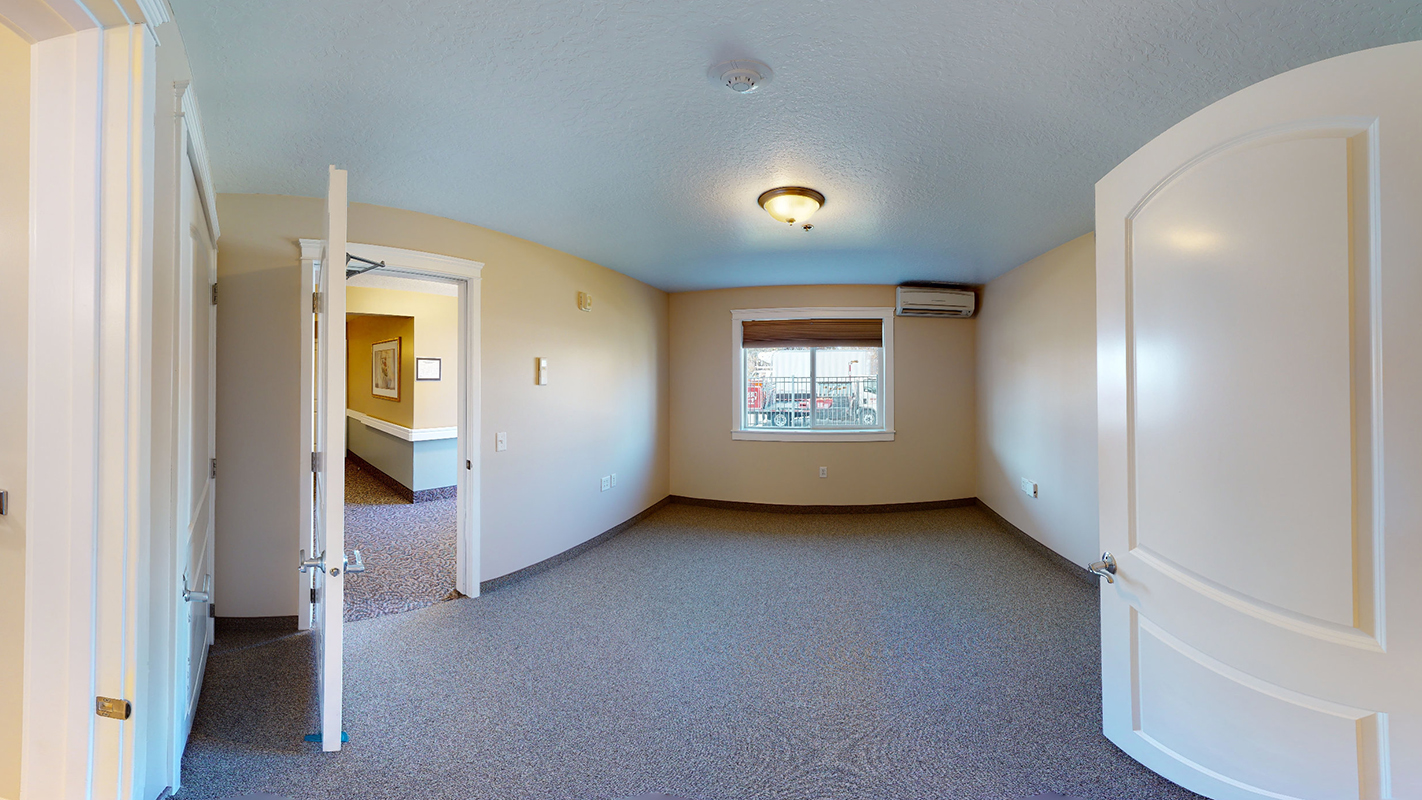
This is particularly vital for seniors that might be going into the area after living individually for years. They may be able to handle many tasks by themselves but still require aid with the items that quietly create danger, such as forgetting a dose, missing dishes, or trying to shower without correct support. A quality home will build around real behaviors, not just a checklist of solutions on paper.
If a loved one has memory loss, ask exactly how the area handles wandering risk, confusion, sundowning, and changes in behavior. Not every assisted living home is geared up to sustain all phases of cognitive decrease. Some are much better matched to light or moderate needs, while others have extra specialized memory support. Families usually discover too late that the solutions seemed wider than they really were. It is much better to ask clearly before a move.
Safety ought to really feel integrated in, not bolted on
Safety is not a solitary function. It is a pattern.
Good assisted living homes are developed to ensure that locals can move with the day with less risk. That suggests clear paths, great illumination, get hold of bars where needed, non-slip floors, safe entryways, and formats that reduce complication. But safety also relies on regimen. Are medicines tracked meticulously? Are falls documented and examined? Do team respond rapidly when somebody requires assistance standing or utilizing the shower room at night?
You can frequently feel the difference throughout a visit. In a much safer home, homeowners do not appear entrusted to take care of themselves at awkward minutes. Restrooms come. Corridors are devoid of mess. Team show up without floating. Doors and leaves are checked in a manner that protects citizens without making the place feel institutional.
If your loved one has a background of falls, ask straight how the community manages autumn avoidance. If they utilize walkers or mobility devices, ask whether the building is genuinely easily accessible or only technically certified. A location can have ramps and still be difficult to browse in method if rugs number, furnishings crowds the hallways, or lifts are also slow-moving for the populace living there.
Emergency preparedness matters also. Ask just how the home takes care of power interruptions, severe weather condition, and clinical emergencies. Quality senior living needs to have a clear response, and the team ought to be able to describe it without sounding rehearsed.
Meals disclose greater than people expect
Food is not a side issue. It forms health and wellness, state of mind, and daily fulfillment. In assisted living, dishes typically reveal just how much attention an area offers to the real world, since dining is where numerous citizens invest a few of their most social and emotional hours.
Ask to see an example menu, but likewise ask what actually gets to the table when there is an active week or an unique diet regimen. Are dishes made fresh? Can the kitchen suit low-sodium, diabetic person, soft, or texture-modified diet regimens? If somebody has inadequate cravings, can parts be adjusted? What takes place if a resident misses a dish due to the fact that they are resting, exhausted, or unwell?
During a tour, consider the dining-room itself. Does it really feel orderly and welcoming, or rushed and loud? Are team helping locals who need it, without making them really feel distinguished? Is water readily available and encouraged throughout the day? Dehydration is easy to ignore, yet it can influence everything from balance to confusion.
Anecdotally, among the fastest means families discover the high quality of a home is by listening after lunch. A relaxed space with actual conversation and stable service commonly tells you more than the advertising and marketing packet ever could. Residents that are material with their meals typically claim so plainly.
Independence should be secured, not erased
One of the hardest components of choosing assisted living is accepting that aid is required without wanting life to diminish. An excellent area understands that tension.
The objective is not to take control of everything. It is to support what has actually become hard while preserving what stays feasible. Locals must have options when affordable. They should have the ability to determine when to wake, what to wear, which activities to go to, and just how to spend at the very least component of their day. If every part of life is set up and regulated, the home might be secure, however it may not be dignified.
This is where a top quality home differs from one that just supplies supervision. Does the team motivate homeowners to do what they can for themselves, or do they hurry with jobs because it is much faster to do every little thing for them? That distinction matters. A resident who can dress with a little aid needs to be encouraged to get involved, not sidelined. A resident who can stroll a brief distance with guidance need to not be wheeled anywhere by default.
Families sometimes stress that independence implies much less safety. In practice, the best assisted living areas find a middle ground. They allow option while putting support close at hand. That equilibrium is commonly what transforms a difficult move into a habitable one.
Social life ought to really feel natural, not staged
Activities matter, yet not every resident wants a crowded schedule. Some people grow in teams. Others choose one or two familiar routines, an early morning coffee, a card game, or a quiet mid-day with a book. Good senior living neighborhoods understand that involvement looks various from someone to another.
When assessing activities, look beyond the posted timetable. Ask that goes to, just how frequently programs transform, and whether the community tries to adapt activities to resident rate of interests. If a home checklists exercise courses, music, trips, and video games, that is fine. The actual concern is whether residents in fact participate and whether the personnel recognize who delights in what.
A thoughtful neighborhood creates possibilities for connection without requiring continuous busyness. For some homeowners, the most effective indication of quality is not a stuffed occasion calendar. It is the presence of normal conversation in corridors, shared laughter over dessert, and a feeling that people recognize each other well enough to observe when a person is absent.
If your loved one is timid, hearing-impaired, or recouping from pain, ask how the area supports those who do not normally join group activities. Isolation can take place in a room full of individuals if no person includes a quieter personality.
Transparency around expense is essential
Money is frequently the part households intend to delay, yet unpredictability here can develop the most significant troubles later on. Assisted living pricing is seldom as simple as a single regular monthly number. Base rates might not include drug monitoring, higher levels of personal care, transportation, products, or special diets. Some neighborhoods bill in tiers. Others bill a la carte. Some rise prices after a care assessment.
Ask for a written description of what is consisted of, what costs extra, and how usually rates generally transform. Ask what happens if your loved one's care requires boost. Are there limits that call for a move to a greater degree of assistance? Exist move-out criteria if somebody comes to be too clinically complicated for the home to securely manage?
These concerns are functional, not cynical. A family members might feel happy after locating a charming home only to discover later on that the regular monthly cost expands faster than expected. Understanding the monetary framework upfront makes it simpler to compare neighborhoods honestly and prevent choices based on incomplete numbers.
The same opts for deposits, community fees, and reimbursement policies. Quality homes agree to clarify their contracts plainly. If the paperwork really feels obscure or the solutions keep transforming, take that seriously.
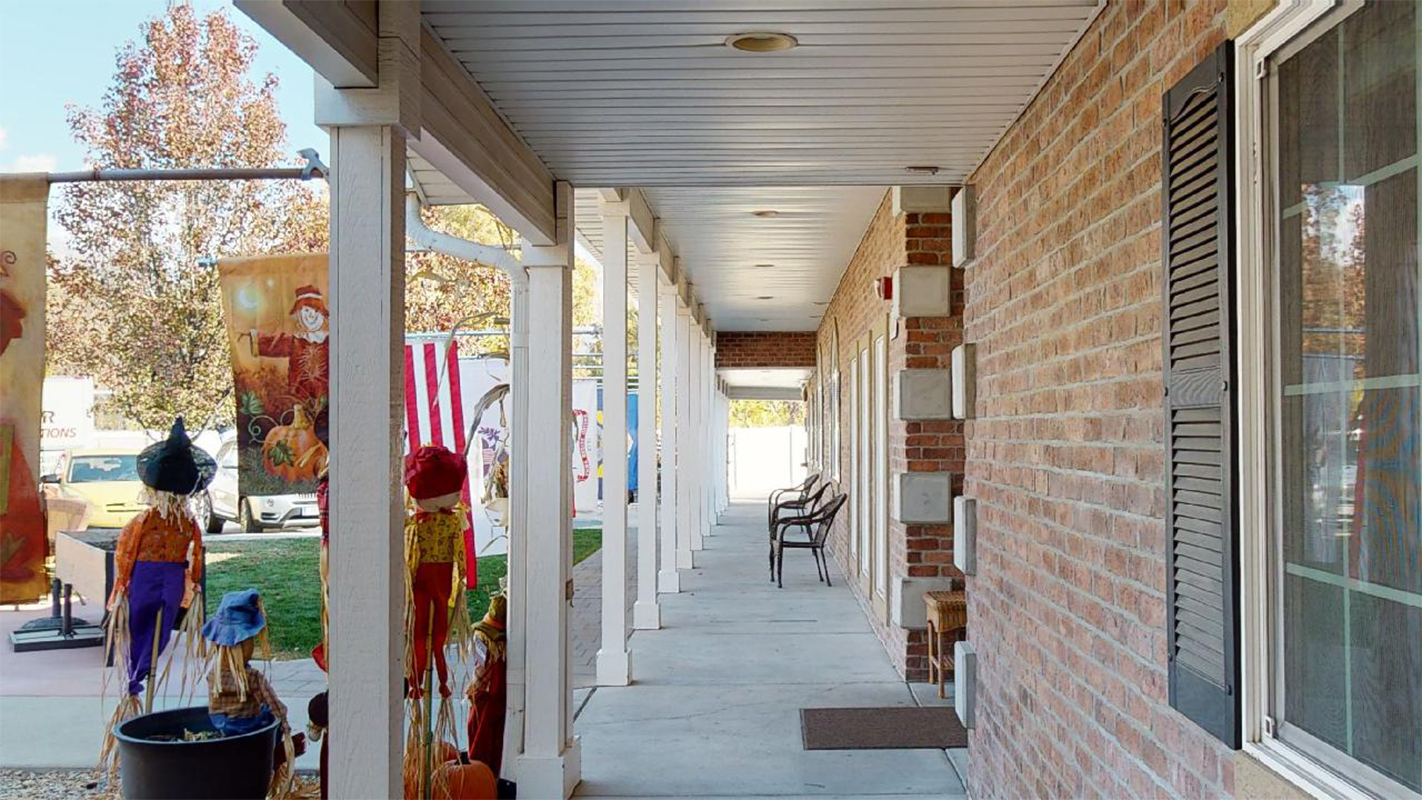
Ask exactly how the neighborhood connects with families
Even a well-run home will have occasional issues. What separates a good one from an irritating one is communication.
You want an area that informs you regarding modifications in condition, medicine issues, falls, hunger decrease, or actions changes promptly and clearly. Family members ought to not need to chase down basic updates. At the very same time, communication ought to be tranquil and accurate, not alarmist. Excellent senior care is collective. It respects family members involvement without making relatives really feel as though they have to check every detail themselves.
It is useful to ask how commonly households receive updates and that serves as the major contact. Is there a nurse, manager, or care coordinator readily available when problems occur? How are care plan meetings taken care of? If the resident has a health center stay, who assists work with the shift back?
These information matter most after something unexpected takes place. A strong community is very easy to praise during a tour. Its actual high quality comes to be apparent when the resident has a poor day, not a great one.
Trust your detects during the visit
Some family members make a decision after one sleek tour because the location just really feels right. Others need multiple visits, various times of day, and conversations with existing citizens or relative. Both techniques can be legitimate, but the senses must belong to the process.
Notice scent first. A fresh, tidy environment must not smell greatly scented, masking odors. Listen to noise degrees. Observe whether citizens seem engaged, neglected, or burnt out. Take a look at the condition of the furnishings, the walls, and the typical areas. Well-used does not imply ignored, however wear and tear need to be managed.
If feasible, visit throughout a dish or a busy afternoon, not just throughout a set up tour. The very best assessment often comes when personnel are multitasking and locals are moving with their normal regimens. That is when authentic society appears.
It likewise helps to bring a couple of candid questions and listen for specifics. If staff answer in broad advertising language, maintain asking till you get concrete instances. A top quality assisted living home should not require to conceal behind refined phrasing.
A practical lens for the final decision
Families frequently ask what the solitary essential factor is. The sincere answer is that there generally is not simply one. Yet there senior care are a couple of markers that bring genuine weight.
If the personnel are attentive and respectful, if care plans are embellished, if the building sustains safety without really feeling clinical, if dishes and routines are dealt with thoughtfully, and if the home interacts clearly with families, those are strong indications. If numerous of those aspects are weak, it is typically not a great fit, no matter just how appealing the lobby looks.
It can assist to reduce and contrast neighborhoods based upon lived experience rather than surface gloss. Which place really felt tranquil when you showed up? Which one responded to inquiries straight? Which one appeared to understand the distinction in between guidance and self-respect? Which one would still really feel comforting on a hard day, not simply on the day of the tour?
For lots of family members, the search begins with terms like assisted living near me, yet the decision must finish with something much deeper than distance. The ideal home gives your loved one the assistance they require while preserving the routines, choices, and voice that make them that they are. That is the actual standard.
A quality assisted living home does not assure to make aging simple. It promises to make it more secure, more gentle, and much less lonely. That deserves seeking carefully.
BeeHive Homes of Draper provides assisted living care
BeeHive Homes of Draper provides memory care services
BeeHive Homes of Draper provides respite care services
BeeHive Homes of Draper supports assistance with bathing and grooming
BeeHive Homes of Draper offers private bedrooms with private bathrooms
BeeHive Homes of Draper provides medication monitoring and documentation
BeeHive Homes of Draper serves dietitian-approved meals
BeeHive Homes of Draper provides housekeeping services
BeeHive Homes of Draper provides laundry services
BeeHive Homes of Draper offers community dining and social engagement activities
BeeHive Homes of Draper features life enrichment activities
BeeHive Homes of Draper supports personal care assistance during meals and daily routines
BeeHive Homes of Draper promotes frequent physical and mental exercise opportunities
BeeHive Homes of Draper provides a home-like residential environment
BeeHive Homes of Draper creates customized care plans as residents’ needs change
BeeHive Homes of Draper assesses individual resident care needs
BeeHive Homes of Draper accepts private pay and long-term care insurance
BeeHive Homes of Draper assists qualified veterans with Aid and Attendance benefits
BeeHive Homes of Draper encourages meaningful resident-to-staff relationships
BeeHive Homes of Draper delivers compassionate, attentive senior care focused on dignity and comfort
BeeHive Homes of Draper has a phone number of (801) 495-3100
BeeHive Homes of Draper has an address of 711 Pioneer Rd, Draper, UT 84020
BeeHive Homes of Draper has a website https://beehivehomes.com/locations/draper/
BeeHive Homes of Draper has Google Maps listing https://maps.app.goo.gl/LgtrXf95hQFVgKrY8
BeeHive Homes of Draper has Facebook page https://www.facebook.com/BeeHiveDraper/
BeeHive Homes of Draper won Top Assisted Living Homes 2025
BeeHive Homes of Draper earned Best Customer Service Award 2024
BeeHive Homes of Draper placed 1st for Utah Senior Living Communities 2025
People Also Ask about BeeHive Homes of Draper
What is BeeHive Homes of Draper Living monthly room rate?
Our monthly rates for both Assisted Living and Memory Care at BeeHive Homes of Draper are thoughtfully designed to be all-inclusive. While pricing reflects each resident’s unique care needs, families appreciate that once a rate is established, it remains stable - no hidden fees or surprise increases as care evolves. We believe in clarity, consistency, and peace of mind
Can residents stay in BeeHive Homes of Draper until the end of their life?
In many cases, yes. We are honored to support residents throughout their journey, including end-of-life care, right here in the comfort of our Draper home. There are rare occasions when medical needs exceed our licensing (such as 24-hour skilled nursing) but we’ll always guide families through any transition with care and compassion
Do we have a nurse on staff?
Yes, we do. Our Registered Nurse, Jacque Parker, R.N., works closely with local home health nurses and house-call physicians to coordinate excellent care. This collaboration allows us to meet a wide range of health needs right here at home
What are BeeHive Homes of Draper's visiting hours?
We know how important it is to stay close to loved ones. That’s why visiting hours at our Draper home are flexible and designed around what works best for the resident. You’re welcome to visit during the day... just try not to come to early and stay too late
Do You Offer Rooms for Couples?
Yes, we do! BeeHive Homes of Draper offers select suites for couples who wish to continue living together while receiving care. These shared accommodations preserve comfort and connection while ensuring both individuals get the personalized support they need. Availability is limited, so reach out to learn more
Do You Provide Senior Day Care or Respite Services?
Absolutely. Our senior day care and short-term respite care options are perfect for families who need extra help during the day or while traveling. Guests enjoy the same high-quality care, engaging activities, and home-cooked meals as our full-time residents, all in a safe, social environment. We’ll help you find a care plan that fits your schedule and your loved one’s needs.
What’s the Difference Between Assisted Living and Memory Care?
Assisted living is best for seniors who benefit from help with daily activities but still enjoy socializing and independence. Memory care is a more structured service tailored to individuals with Alzheimer’s or other cognitive conditions, with routines, guidance, and security that support safety and emotional well-being.
Where is BeeHive Homes of Draper located?
BeeHive Homes of Draper is conveniently located at 711 Pioneer Rd, Draper, UT 84020. You can easily find directions on Google Maps or call at (801) 495-3100 Monday through Sunday Open 24 hours
How can I contact BeeHive Homes of Draper?
You can contact BeeHive Homes of Draper by phone at: (801) 495-3100, visit their website at https://beehivehomes.com/locations/draper/ or connect on social media via Facebook
Spitz Mediterranean Street Food provides a casual dining option for families spending quality time with loved ones in Assisted living, memory care, senior care, elderly care, and respite care.